WELCOME TO MOUNT KILIMANJARO NATIONAL PARK
THE SUMMIT OF AFRICA.
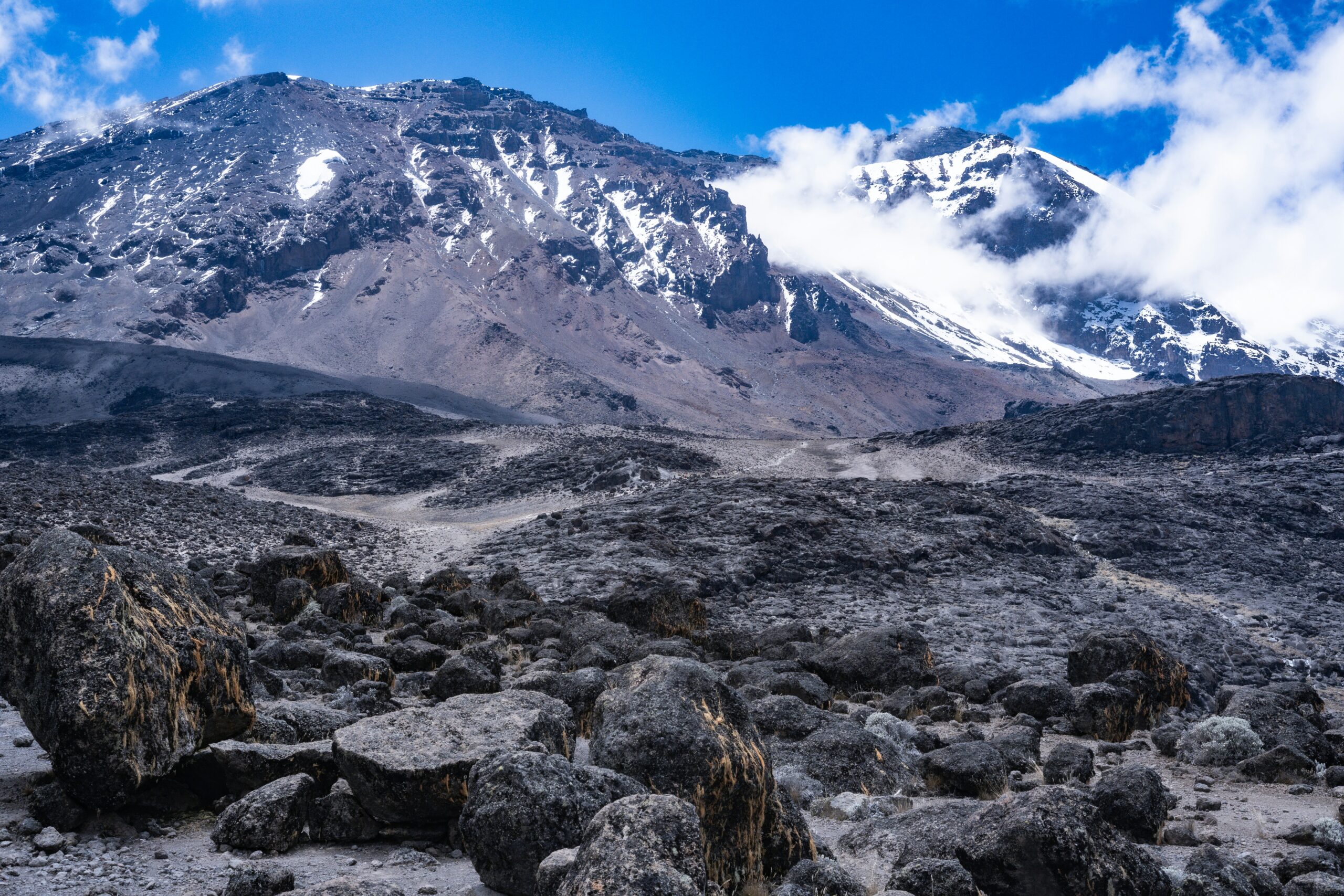
The name itself is a mystery wreathed in clouds. It might mean Mountain of light, Mountain of Greatness or Mountain of Caravans; or it might not. The local people, the Wachagga, do not even have a name of the whole massif, only Kipoo, the familiar snowy peak that stands imperious, over see of the Continent, the summit of Africa.
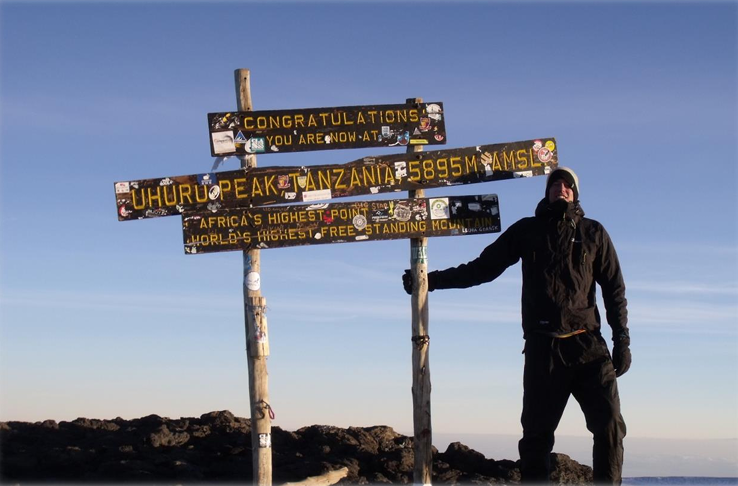
KILIMANJARO, by any name, is a metaphor for the compelling beauty of East Africa. When you see it, you understand why. Not only is this highest peak on the Africa continent: it’s also the tallest free Standing Mountain in the world, rising in breathtaking isolation from the surrounding coastal scrubland \ elevation around 900metres to an imperious 5,895 meters {19,336}.
KILIMANJARO is one of Worlds most accessible high summit, a beacon for visitors from around the World.
Most climbers reach the crater rim with little more than a walking stick, proper clothing and determination. And those who reach Uhuru Peak, or Gillman’s point on the lip of crater, will have earned their climb certificates and their memories.
Even before you cross the National Park boundary at about 2700m, the cultivated foots slope give way to the Montana forest, inhabited by elusive elephant, leopard, buffaloes, the endangered Abbots duiker and others small antelope and primates. Higher still lays the moorland zone, where a cover of giant heather is studded with other worldly giant Lobelias. Above 4000m, a surreally alpine desert supports little life other than a few hardly mosses and lichen. Then finally, the last vestigial vegetation give way to a winter wonder land of ice and snow/ and the magnificent beauty of the roof of the continent.
What to do? Six usually trekking route to the summit and others more demanding mountaineering routes. Day or over night on the Shira plateau. Nature trails on the lower reaches, trout fishing visit the beautiful Chala Crater Lake on the mountains southern slopes.
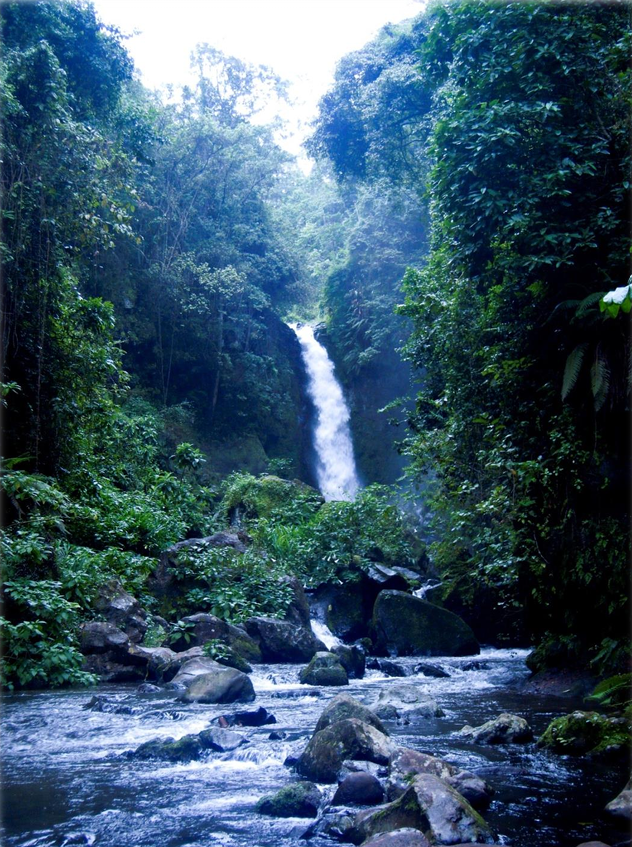
Welcome to first Kilimanjaro water falls!
When to go? Clearest and warmest conditions from December to February, but also dry {and colder] from July to September. Accommodations here are Hut and Campsite on the Mountain. Also there several Hotel and campsite outside the Park on the village of Marangu and Moshi town.
WELCOME AND HIKING WITH EXPERIENCED MOUNTAIN GUIDES!!
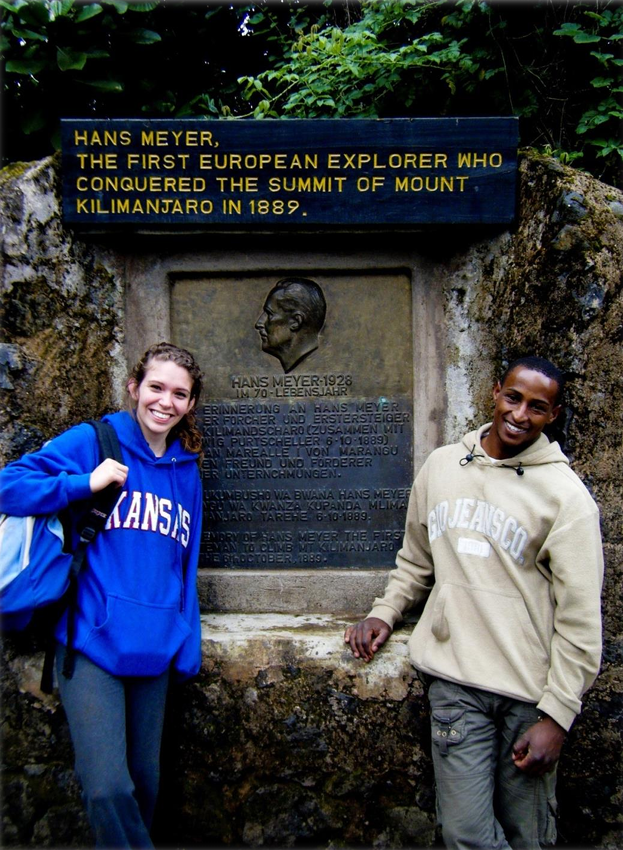
Getting the history of the first European who made it to Kilimanjaro in 1889!